

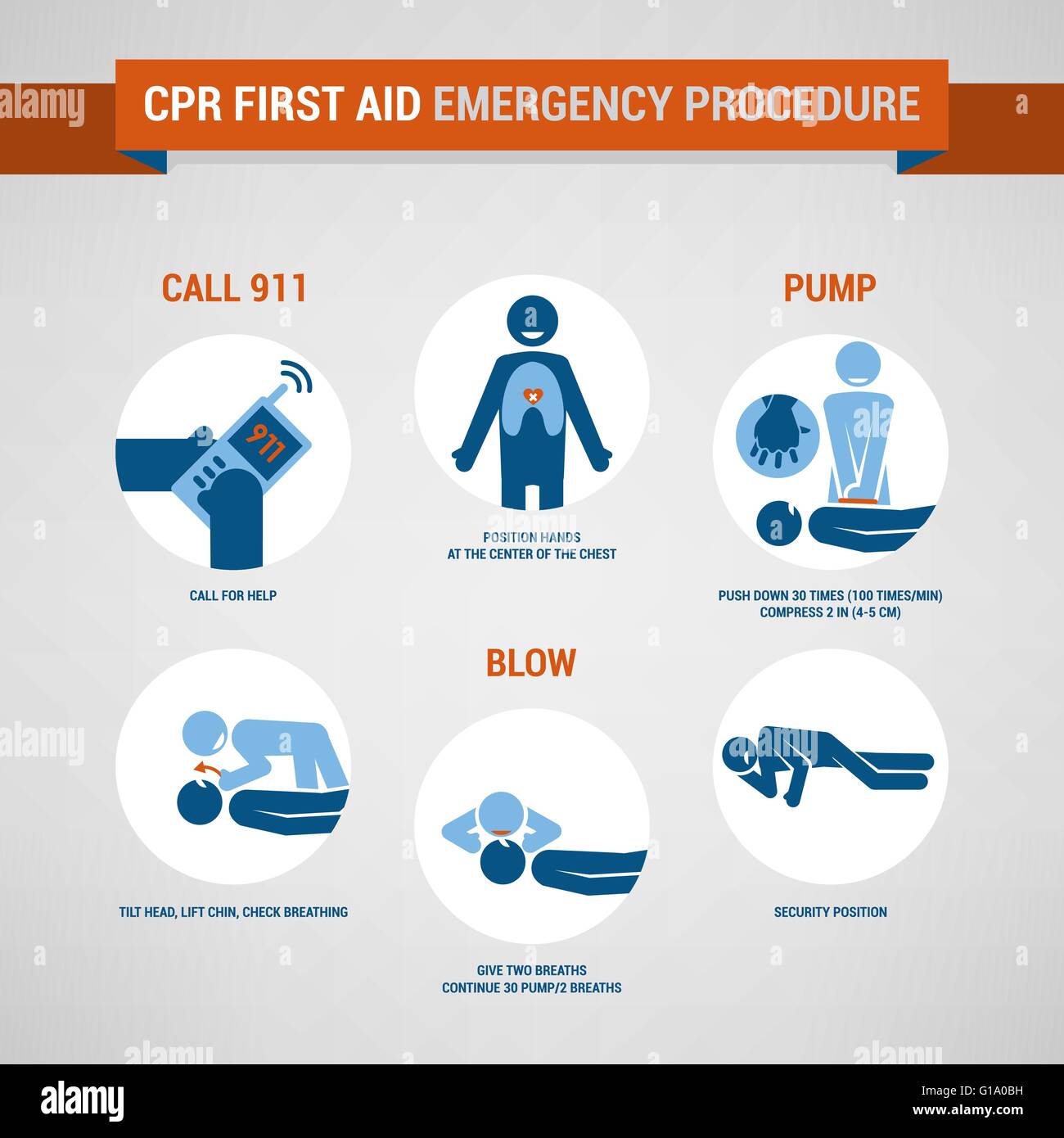
When a medical emergency or injury occurs, knowing how to proceed and to be able to react quickly is crucial to limiting the severe nature of the incident. Proper first aid training provides individuals with the confidence and skills they have to address an emergency, prevent further injury, and a save a life. In acute cases, equipping employees with medical training could mean the difference between life and death.
Although all jurisdictions in the usa and Canada require workplaces to supply a first aid kit, an initial aid attendant, and training, certain requirements vary depending on the nature of the task, the number of employees on site, and the positioning of the worksite. All oil and gas work in is known as high hazard work and it's really highly recommended that all employees working onsite receive medical training. This guarantees that medical is easily available and accessible at all times, regardless of which employees are on shift. If providing first aid training all employees isn't possible, it's important to understand the requirements for hawaii or province you're operating directly into ensure compliance with their standards.
Upon completion of a First Aid training course, a worker will receive both a First Aid certificate or perhaps a MEDICAL with CPR-C certificate. These certifications are valid for 3 years.
This program curriculum includes:
? Basic life support for adults, children and infants
? Small wound management
? Critical airway, breathing and circulation interventions with C-spine management
? Preparing to respond
? The EMS system
? Check, call, care
? First aid for respiratory and cardiac arrest
? Head and spine injuries
? Bone, muscle, and joint injuries
? https://firstaidtraininglancashire.co.uk/best-first-aid-courses-lancashire/
? Environmental emergencies
Having employees properly training in first aid is one component of a comprehensive MEDICAL Plan. A First Aid Plan sets out expectations and requirements regarding first aid services, equipment, supplies, records, communication, and transportation. Developing a MEDICAL Plan requires an assessment of the potential workplace hazards and the forms of injuries and illnesses likely to occur. Consider information such as the number of workers, the type of work, and available treatment. When developing your First Aid Plan, it is best to consider the worst-case scenario.
In summary, your First Aid Plan will include:
? The number of medical attendants needed to cover every area and shifts, including names and contact details
? Specific training requirements for first aid attendants
? Specific requirements and management for medical box and first aid room (if required)
? Emergency response procedures
? First-aid recording and reporting system
? Important contact numbers (e.g., 9-1-1, police, poison control, hospitals/clinics,)
It's the role of managers and supervisors to understand the First Aid Plan and their accountabilities, together with making sure medical information is provided to all or any employees.
Regular reviews are an important part of keeping your First Aid Plan. Emergency drills and exercises will let you make sure that your plan will work if an emergency occurs, and first aid kits and facilities should be reviewed regularly. If an incident requiring medical does occur, this is an opportunity for you yourself to evaluate the effectiveness of your first aid plan and make any necessary changes or improvements.